Envisioning your future—the career you’ll pursue, the impact you’ll make, the person you’ll become—isn't just a daydream. It's the vital first step in a powerful journey: Future Aspirations & College Prep. This isn't just about ticking boxes for college applications; it's about building a robust foundation, a personal compass that guides every decision you make in high school and beyond. It’s about more than admission; it’s about preparing to truly thrive when you get there.
Think of college preparation as a comprehensive expedition, not a sprint. It begins long before senior year, setting a course that transforms abstract dreams into concrete actions. From the classes you choose to the skills you hone, every effort contributes to building a stronger, more confident, and ready-for-anything you.
At a Glance: Your Roadmap to College Success
- Start Early, Dream Big: Begin planning your high school course load and extracurriculars as early as freshman year, guided by your long-term aspirations.
- Master the Art of Learning: Develop effective study habits before college, focusing on active recall, organization, and time management.
- Beyond Academics: Embrace extracurriculars and volunteering to build critical "human skills" like empathy, leadership, and communication.
- Befriend Your Counselor: Your high school counselor is an invaluable resource for class selection, college guidance, and goal setting.
- Challenge Yourself: Opt for rigorous courses (AP, Honors) to impress admissions and build academic resilience.
- Financial Foresight: Research scholarships and financial aid early, and begin understanding personal money management.
- Mentorship Matters: Seek guidance from teachers, alumni, and professionals to gain insights and potential recommendations.
- Ace the Tests: Prepare strategically for standardized exams like the SAT and ACT, understanding their format and content.
- Reflect & Adapt: Regularly revisit your goals, celebrating progress and adjusting your path as you grow and learn.
The Power of Purpose: Why Define Aspirations Early?
The most successful college journeys don't just happen; they're built on clarity of purpose. As Randolph-Macon Academy emphasizes, defining your aspirations—whether a dream university, an ideal major, or a future career—provides an indispensable compass. This isn't about locking yourself into a rigid plan at 14; it's about creating a powerful motivator.
Imagine knowing, even generally, that you're passionate about environmental science. This clarity suddenly gives meaning to your biology class, your volunteer work at a local conservancy, and even your choice to take an AP Chemistry course. It helps you stay focused amidst myriad choices and challenges, driving deeper engagement in your studies and extracurriculars from an early stage.
High school college counselors are your partners in this process. They don't just help with forms; they work with you one-on-one and in groups to clarify those goals, set realistic milestones, select courses that align with your interests, and identify enrichment opportunities. Want a technology career? They might point you toward advanced math, coding clubs, or STEM summer programs. This proactive guidance ensures you're not just meeting admission requirements but are genuinely well-prepared for your chosen field.
Crucially, this isn't a one-and-done exercise. Reflection is key. Regularly revisiting and evaluating your goals fosters adaptability and resilience. You'll celebrate achievements, recognize new growth opportunities, and maintain a proactive approach to your education. This ongoing self-assessment ensures your path remains authentic to who you are becoming.
Translating Dreams into Action: A Blueprint for College Readiness
Once you have a sense of direction, it's time to build the engine. College preparation involves a multifaceted approach, combining academic rigor with personal growth and strategic planning. Here are 10 essential strategies, drawing from insights shared by Coursera and leading educational institutions, to guide your journey.
1. Master the Art of Learning: Study Smart, Not Just Hard
College isn't about how much you study, but how you study. Ditching cramming for spaced study sessions is a game-changer. Form study groups to discuss concepts, take regular breaks to prevent burnout, and practice active studying by creating your own study guides, explaining material aloud, or working through problems.
Creating a distraction-free environment is paramount. Designate a specific study zone—whether it’s a quiet corner of your room or a library—and stick to it. Set and adhere to specific study goals, like "Monday/Wednesday/Friday from 5:00-6:30 p.m. for math." Then, reward yourself for meeting them. This consistent, focused approach builds the stamina and discipline needed for rigorous college coursework.
2. Beyond the Books: The Power of Extracurriculars
Colleges look beyond your GPA; they want to see what makes you you. Participating in extracurricular activities is crucial, but it's not about padding a resume. Choose activities based on genuine interest or passion—be it sports, school clubs, volunteering, or developing a personal talent. Did you know a significant part of American teenage life revolves around these activities? They offer more than just fun.
These experiences build confidence and develop indispensable human skills: time management (juggling practice and homework), communication (team sports, debate club), collaboration (group projects, band), leadership (club officer, team captain), organizational skills (event planning), and empathy (volunteering, peer tutoring). These "soft skills" are often the hardest to teach but are highly valued by both colleges and future employers.
3. The Early Bird Gets the Worm: Starting College Prep Freshman Year
It might sound daunting, but beginning college preparation as early as freshman year is a strategic advantage. Early planning isn't about deciding your entire life's path, but about ensuring you take the necessary high school classes to keep your options open. Your freshman choices determine your sophomore opportunities, and so on.
Early engagement also motivates academic improvement and provides ample time to research potential schools. Consider the "Five C's of college choice":
- Curriculum: What programs, majors, and classes genuinely excite you?
- Campus life: Does the environment—appearance, activities, community vibe—feel right?
- Class size variety: Do you prefer a mix of large lectures and small seminars, or opportunities for independent study?
- Cost: Beyond tuition, factor in books, room/board, commuting, and personal essentials.
- Career services: What kind of support for internships, job fairs, and career counseling does the school offer?
Researching these aspects early helps clarify your preferences, whether you lean towards public or private, in-state or out-of-state.
4. Organize Your Way to Success: Time Management & Productivity
College life throws a lot at you: multiple classes, assignments, social activities, and often a part-time job. Strong organization and time management skills aren't just helpful; they're critical for preventing stress and burnout.
Start by writing down everything: important dates, assignment deadlines, club meetings. Create daily and weekly routines, allocating specific times for studying, homework, and breaks. Set realistic daily and weekly goals. Don't be afraid to ask for help from teachers or mentors when you feel overwhelmed. Leverage productivity apps for reminders, use checklists to track progress, maintain separate folders for each class (digital and physical), and build in regular breaks to recharge. Balance is key.
5. Dollars & Sense: Crafting Your Financial Plan
Let’s be honest: college is expensive. Beyond tuition, there are books, living expenses, transportation, and personal costs. Coming up with a financial plan needs to start early. Research scholarships and financial aid opportunities well in advance; many application deadlines are much earlier than college admissions.
This is also an excellent time to learn money management. Take a personal finance course, understand how bank statements work, and learn to budget. A part-time job during high school can be incredibly beneficial—not only does it help save money for college, but it also demonstrates responsibility and work ethic, enhancing your college applications.
6. Charting Your Course: What Do You Want to Do with Your Life?
While it’s perfectly fine not to have a rigid career path locked down, having an idea of potential majors or career interests can significantly guide your high school class selection. If you're drawn to health professions, focusing on science and math courses makes sense. Aspiring engineers will prioritize advanced mathematics and physics.
Utilize your high school's career planning resources—they often have interest inventories, guest speakers, and career fairs. Diversifying your course load initially can also be valuable for exploring different subjects and discovering new passions. Don't be afraid to take an elective "just because" it sounds interesting; you might uncover an unexpected calling.
7. Your Go-To Guide: Befriending Your School Counselor
Your high school counselor is arguably your most valuable, often underutilized, resource for college planning. They are experts in class selection, academic performance improvement, and identifying suitable postsecondary options tailored to your profile. Schedule regular meetings with your counselor from freshman year onward, not just when a problem arises.
They can help you navigate course requirements, discuss your aspirations, identify enrichment opportunities, and even guide you through the college application process. If you're considering a college interview, your counselor can also offer invaluable preparation tips. Practice responses to common questions like "Why this college?" and be ready to highlight your goals, activities, and interests to demonstrate personality and strong interest.
8. Stepping Up Your Game: Challenging Yourself Academically
Colleges don't just look at what grades you got; they look at which classes you took. Enrolling and excelling in advanced placement (AP), International Baccalaureate (IB), honors courses, and challenging electives sends a strong signal to admissions committees. It shows you're not afraid of rigor and are prepared for the demanding academics of college.
These advanced courses not only make your transcript shine but also genuinely prepare you for the intellectual challenges of higher education. They teach you to think critically, manage heavy workloads, and engage with complex material—skills that are indispensable for college success.
9. The Wisdom of Experience: Seeking Out Mentors
You don't have to navigate this journey alone. Searching for mentors—experienced individuals who can offer guidance and support—can be transformative. Admissions and guidance counselors are obvious choices, but also consider college alumni, professionals in fields you're exploring, trusted teachers, and coaches.
Mentors offer invaluable tips, share their experiences, provide encouragement, and can sometimes even provide powerful recommendation letters for your applications. Don't be shy about reaching out; most people are genuinely happy to help a motivated student.
10. Conquering the Tests: Standardized Exam Prep
For many colleges, standardized test scores like the SAT and ACT remain an important component of the admissions process. While some schools have gone test-optional, strong scores can still enhance your application. These tests are typically taken during junior year, but preparation can and should begin earlier. The PSAT, often taken in sophomore year, offers a valuable diagnostic to identify your strengths and weaknesses.
Effective SAT/ACT preparation tips include:
- Take a prep class or use online resources: Structured learning can make a big difference.
- Understand the test format: Know what to expect in each section.
- Follow a study schedule: Consistency beats cramming.
- Enhance your vocabulary: Reading regularly helps both verbal sections.
- Practice essays: If applicable, hone your writing under timed conditions.
- Take full-length practice tests: Simulate actual test conditions to build stamina and identify weak spots.
- Focus on weaker topics: Dedicate extra time to areas where you struggle.
- Set a target score: Give yourself a goal to work towards.
Connecting Aspirations to Action: A College-Ready Mindset
Ultimately, defining your aspirations early and diligently preparing for college helps you develop a powerful college-ready mindset. This mindset is characterized by critical thinking, effective priority setting, and the ability to balance academic responsibilities with personal growth. It's about taking control of your future rather than passively letting it unfold.
This process fosters self-assurance because you've actively shaped your path. It builds resourcefulness as you learn to seek out information and support. It leads to comprehensive preparation for college life, encompassing not just the academic rigors but also the essential skills, knowledge, and determination needed to truly thrive in a new environment. Your future isn't a distant event; it's being built, brick by brick, by the intentional choices you make today.
Common Questions & Misconceptions About College Prep
Navigating the path to college can bring up a lot of questions. Here are some common ones, answered directly:
"What if I don't know my major or career path yet?"
That's perfectly normal! Very few students enter college with their entire future mapped out. The goal of early aspiration setting isn't rigid commitment, but rather informed exploration. Focus on identifying subjects you genuinely enjoy, skills you want to develop, and problems you care about solving. Choose high school classes that provide a broad foundation, and prioritize colleges with strong liberal arts programs or opportunities to explore different majors before declaring. Your high school counselor can help you explore interest areas without locking you into a specific track.
"Is it ever too late to start preparing for college?"
While starting early offers significant advantages, it's almost never too late to make meaningful progress. Even if you're a junior or senior just beginning to focus, you can still:
- Meet with your counselor immediately to review your transcript and identify any gaps.
- Intensify your standardized test prep.
- Focus on improving your grades in current classes.
- Seek out impactful extracurriculars or volunteer opportunities, even if for a shorter duration.
- Research colleges that align with your current academic standing and interests.
Every step you take, no matter when you start, contributes positively.
"How important are standardized tests (SAT/ACT) really?"
The importance of SAT/ACT scores has shifted in recent years, with many colleges becoming "test-optional" or "test-blind." However, for many competitive universities, strong scores can still significantly bolster your application. If a college is test-optional, submitting good scores can differentiate you, especially if other parts of your application (like GPA) are not as strong as you'd like. If you have the means and time, preparing for and taking these tests is a worthwhile endeavor to keep all your options open. Always check the specific requirements and policies of each college you're interested in.
Your Next Steps: Building a Future That Thrives
Your journey towards college and beyond is uniquely yours, a testament to your aspirations and hard work. By embracing a proactive approach to Future Aspirations & College Prep, you’re not just preparing for an institution; you’re cultivating the skills, resilience, and purpose needed to excel in whatever path you choose.
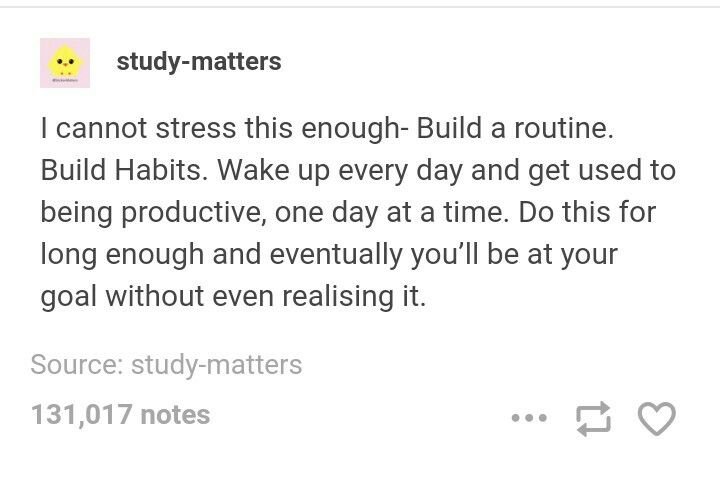
Start today. Schedule that meeting with your counselor. Pick one extracurricular that genuinely excites you. Dedicate a specific time each week to study a challenging subject. Reflect on what truly motivates you and what kind of impact you want to make. Each small, intentional step is a building block in the incredible future you are creating. Remember, the goal isn't just to get into college, but to get through it, and beyond it, ready to truly thrive.